The ready mix concrete business is at the crossroads of industrial growth and environmental responsibility. As infrastructure development surges globally, the demand for ready-mixed concrete (RMC) continues to rise. However, with this growth comes increasing pressure to minimize the carbon footprint associated with concrete production. For companies in the sector, managing RMC plant cost while advancing carbon reduction initiatives has become a strategic balancing act—one that determines both competitiveness and long-term sustainability.
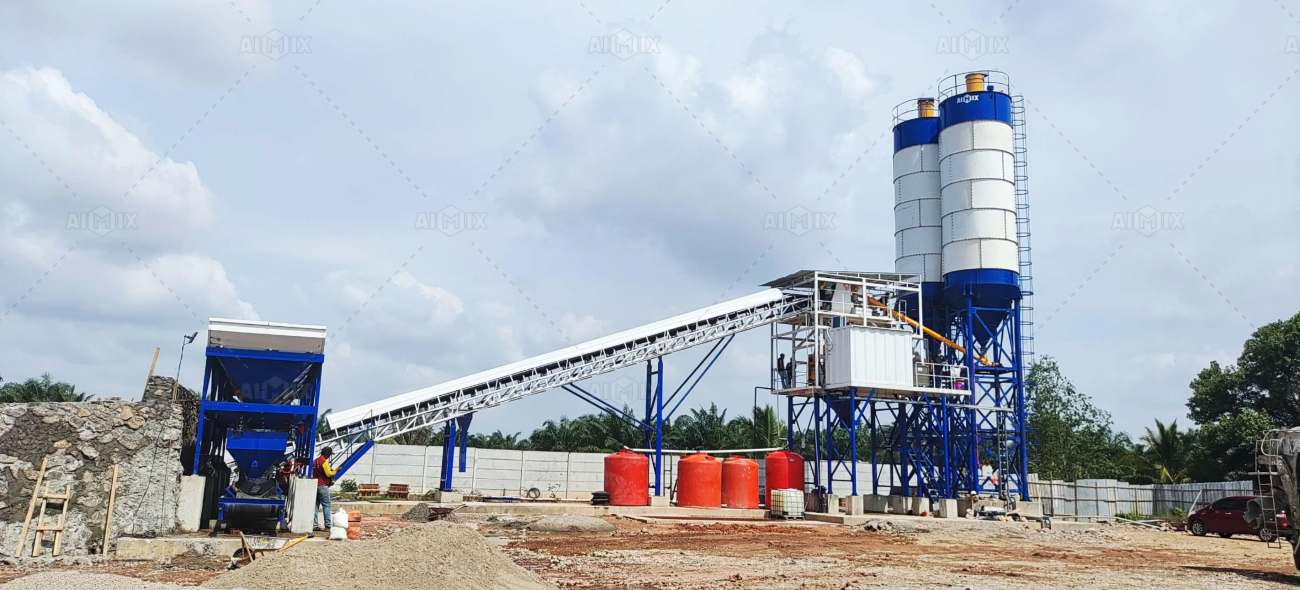
An RMC plant cost typically comprises three main components: initial investment, operational costs, and maintenance expenses.
By managing these three cost pillars efficiently, ready mix concrete business owners can enhance profitability even in competitive markets. But as global sustainability regulations tighten, the equation now includes a fourth dimension—carbon reduction.
Concrete is one of the most widely used materials in the world, but it is also one of the most carbon-intensive. The cement used in ready-mixed concrete is responsible for up to 8% of global CO₂ emissions. The process of clinker production releases vast amounts of CO₂ both from fuel combustion and chemical reactions. Additionally, aggregate mining, transportation, and batching plant operations contribute to the overall footprint.
For a typical RMC plant, emissions originate from:
Thus, reducing emissions requires innovation not only in production but across the entire supply chain.
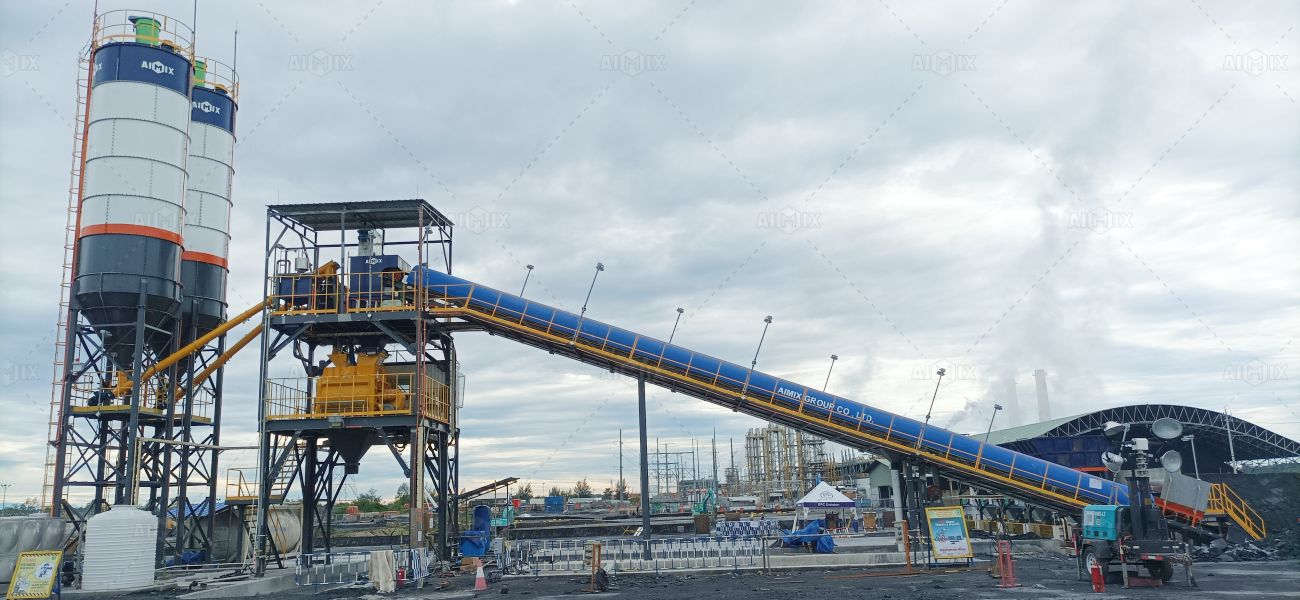
Replacing part of the cement with fly ash, slag, or silica fume is one of the most effective ways to cut CO₂ emissions. These materials are by-products of other industries and can reduce cement content by up to 30%, leading to a 15–25% drop in overall emissions without compromising strength. SCMs also reduce costs by lowering the need for expensive clinker-based cement.
Modern RMC plants are equipped with automated control systems, energy-efficient motors, and variable frequency drives (VFDs) to optimize energy use. Incorporating renewable energy sources—such as solar power for office operations or lighting—can further reduce energy costs.
Advanced mix design technologies can precisely determine the required cement and water content for specific strength grades. Using high-range water reducers and performance admixtures enables concrete producers to achieve desired performance with lower cement content, directly reducing both cost and emissions.
Recycling returned concrete, reusing wash water, and recovering aggregates from residual concrete are sustainable practices that can reduce material waste and disposal costs. Some RMC plants now install concrete reclaimer systems, helping save raw materials and meet environmental regulations.
Transportation contributes a significant portion of RMC’s carbon footprint. Using GPS-enabled fleet tracking, route optimization, and well-maintained transit mixers can minimize fuel consumption and improve delivery efficiency. Some companies are transitioning to electric or hybrid mixer trucks, offering long-term cost savings through reduced fuel expenses.
Emerging technologies such as carbon-cured concrete and carbon capture from cement kilns hold transformative potential. While initial costs may be higher, these innovations can dramatically reduce emissions and attract eco-conscious clients, particularly in regions where carbon taxes are enforced.
Investing in carbon reduction doesn’t just benefit the planet—it can directly improve business profitability and brand value. Here’s how:
Therefore, integrating sustainability is not a cost burden but a profitability enhancer when strategically implemented.
The balance between RMC plant cost and carbon reduction requires both a short-term efficiency mindset and a long-term vision. Initially, investments in cleaner technology or renewable energy may raise setup costs. However, the lifecycle savings from reduced energy bills, longer equipment life, and improved operational efficiency often offset the upfront expenditure.
Moreover, global construction trends are shifting toward green building certifications, where low-carbon materials are a prerequisite. By adapting early, ready mix concrete producers can secure future-ready market positions and long-term partnerships with developers who prioritize sustainability.
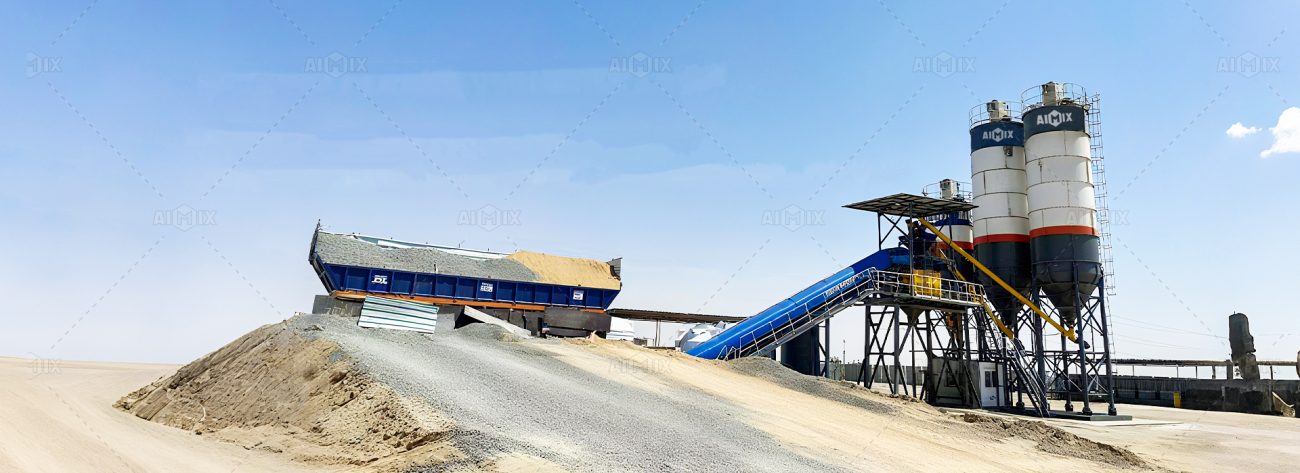
In the modern ready mix concrete business, managing the RMC plant cost is no longer just about minimizing expenses—it’s about optimizing the entire production ecosystem for both efficiency and sustainability. By embracing low-carbon technologies, intelligent energy management, and circular production practices, RMC producers can achieve a competitive edge. The ultimate goal is clear: create a business model where sustainability drives profitability, and where every cubic meter of concrete poured contributes not only to structural strength but also to a greener, more resilient future.


