In the global shift toward sustainability, the construction industry is undergoing a technological transformation that emphasizes energy efficiency, emissions reduction, and smarter operation. Among the most notable advancements is the rise of electric and hybrid concrete paving machines, which are redefining the standards for modern road building. These next-generation machines not only deliver superior performance but also align with the construction sector’s growing commitment to environmental responsibility.
Today, the market for electric and hybrid concrete paving machines for sale is expanding rapidly as governments and contractors pursue greener infrastructure solutions. Whether for highways, airport runways, or urban pavements, these machines are leading the transition toward cleaner, quieter, and more efficient construction practices.
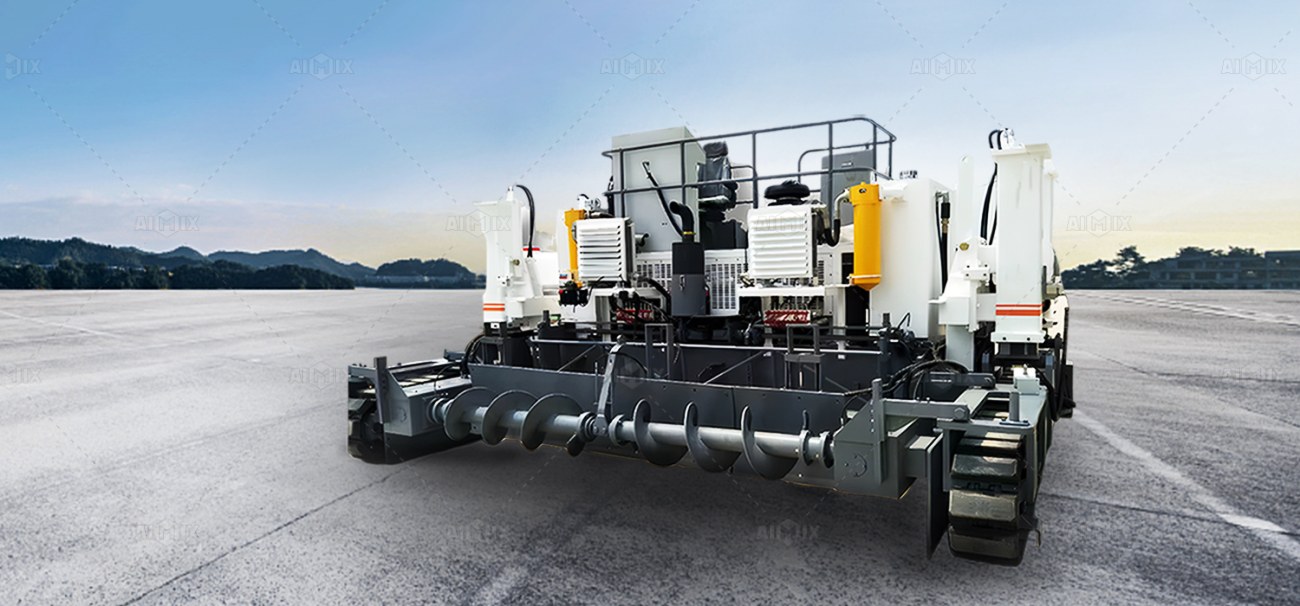
The construction sector is responsible for nearly 40% of global CO₂ emissions, with heavy machinery playing a major role due to its reliance on diesel engines. As cities worldwide adopt stricter emissions standards and sustainability goals, construction equipment manufacturers are accelerating innovation in electrification and hybridization.
Green construction is no longer a niche concept — it’s a necessity. Public tenders and large-scale infrastructure projects increasingly prioritize contractors that can demonstrate environmental compliance. This shift has placed electric and hybrid concrete paving machines at the forefront of a long-term industry transformation, where eco-friendly operation translates directly into competitive advantage.
Electric and hybrid concrete paving machines operate on advanced power systems that reduce or eliminate fuel consumption.
The hybrid configuration also provides flexibility — the machine can switch seamlessly between electric and diesel power depending on the project’s demands, terrain, or available charging infrastructure.
The most significant benefit is the drastic cut in carbon and particulate emissions. With electric and hybrid options, contractors can meet or exceed global environmental standards such as the EU Stage V and U.S. Tier 4 Final regulations.
Electric motors are more efficient than internal combustion engines. They require less maintenance — no oil changes, fewer moving parts, and minimal wear on mechanical components. Over time, this leads to substantial savings in fuel and service costs.
Electric paving machines produce less noise and vibration, enhancing operator comfort and safety. They also reduce air pollution on-site, which is beneficial in densely populated or enclosed working environments.
Modern electric and hybrid pavers often include digital control systems, automated screed adjustments, and real-time monitoring. These features ensure higher paving accuracy, smoother surfaces, and consistent concrete quality — all while optimizing energy use.
As sustainability becomes a key procurement criterion in public and private projects, owning or operating green machinery helps companies stand out during bidding. It signals long-term vision, innovation, and environmental responsibility.
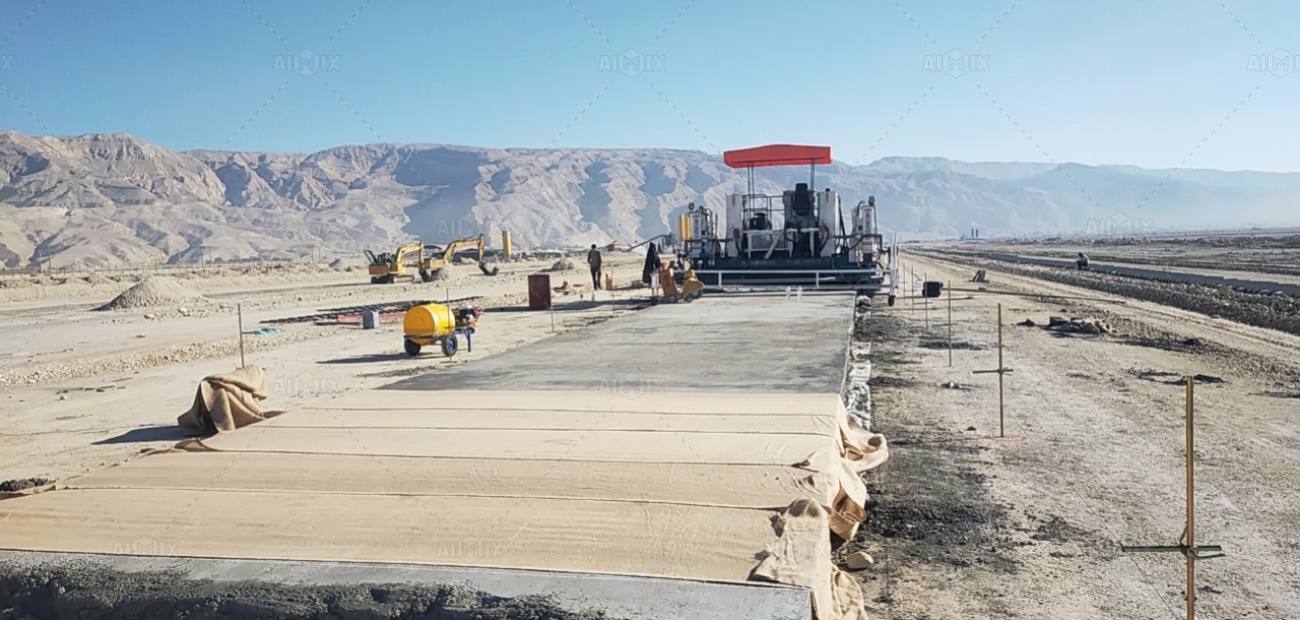
The global market for electric and hybrid paving machines is expected to grow significantly over the next decade. According to recent industry reports, demand is driven by three key trends:
Manufacturers such as Wirtgen have already introduced hybrid or fully electric concrete paving models, reflecting strong global momentum toward electrification in road construction.
Despite the clear advantages, electric and hybrid paving machines face several adoption challenges:
As technology matures and production scales up, these challenges are expected to diminish, similar to trends seen in electric vehicles and other heavy equipment sectors.
The future of concrete paving lies in smart, connected, and eco-efficient machinery. As part of this evolution, electric and hybrid concrete paving machines will play a crucial role in achieving carbon neutrality across the construction value chain.
Innovations such as solar-assisted charging, autonomous operation, and AI-driven paving optimization are already being tested, further integrating sustainability with productivity. By 2030, it’s likely that most major infrastructure projects worldwide will specify low- or zero-emission machinery as a mandatory requirement.
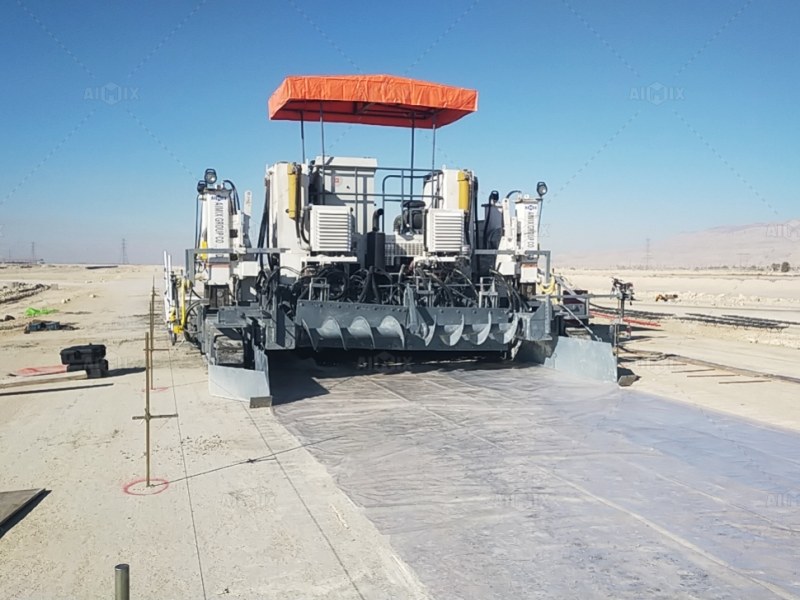
As governments, contractors, and equipment manufacturers like Aimix embrace sustainability, the emergence of electric and hybrid concrete paving machines for sale marks a pivotal shift in the industry. These machines not only reduce emissions and operational costs but also enhance paving precision and environmental performance.
For forward-thinking construction companies, investing in this technology isn’t just a compliance measure — it’s a strategic move toward long-term competitiveness in the green construction era. With innovation accelerating, the road ahead is undoubtedly electric.


