Purchasing a concrete batch plant for sale is a strategic decision that can significantly improve productivity, reduce concrete procurement costs, and enhance schedule control across construction projects. However, beyond selecting equipment from reputable concrete batching plants manufacturers, buyers must account for two critical aspects that directly influence installation success and long-term performance: transportation logistics and foundation requirements. Poor planning in either stage can lead to costly delays, structural instability, or reduced production efficiency. This article provides an in-depth, practical guide to help contractors, ready-mix businesses, and infrastructure developers ensure a smooth setup when bringing a new batching plant online.
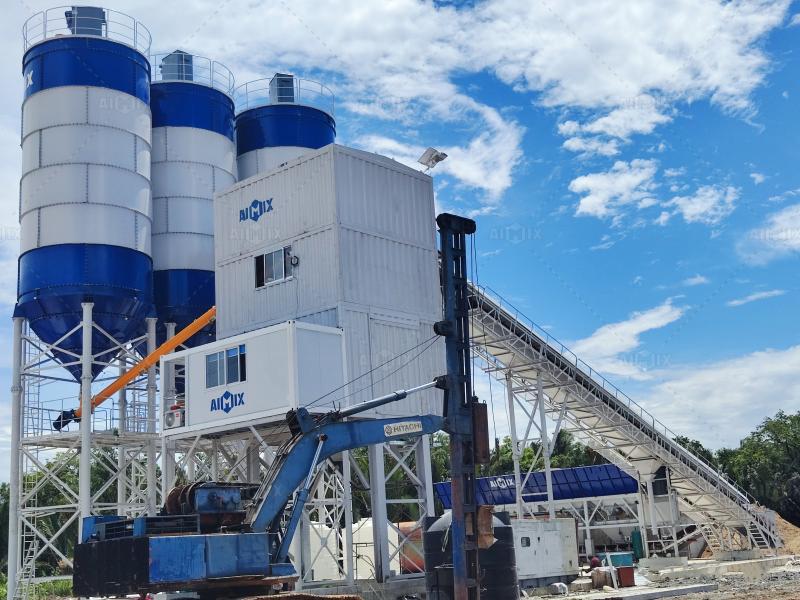
Transporting a concrete batch plant—whether mobile, modular, or stationary—is a major logistical task. The process involves coordinating multiple heavy components, selecting appropriate transportation vehicles, and preparing the receiving site for incoming equipment.
Concrete batch plants for sale differ in structure based on type:
Knowing your plant’s configuration upfront helps you accurately estimate the number of trucks or containers needed. Reputable concrete batching plants manufacturers typically provide a shipment layout diagram detailing component weights and dimensions.
Plant components are heavy and bulky. Common transport vehicles include:
Oversized loads may require special road permits, escort vehicles, or restricted travel hours in certain regions.
A well-protected shipment minimizes risk of damage:
Quality concrete batching plants manufacturers usually conduct a pre-shipment quality check, ensuring all parts are securely fastened and properly labeled for easy onsite identification.
Before the shipment arrives, the job site should be prepared:
Efficient site preparation shortens installation time and ensures a safer workflow once assembly begins.

A concrete batching plant can only deliver accurate weighing, stable operation, and long service life if built on a robust and properly engineered foundation. The foundation design varies by plant type, soil conditions, and production capacity.
Key reasons include:
Reputable concrete batching plants manufacturers usually provide foundation drawings tailored to the specific model and capacity.
Before construction begins, a geotechnical analysis should evaluate:
High ground moisture or weak soil requires additional measures such as gravel reinforcement, compaction, or even deep piling depending on the soil report.
Most stationary or large-capacity plants require:
The thickness of the slab typically ranges from 300mm to 600mm depending on load requirements, but this must always follow manufacturer specifications.
The accuracy of the plant heavily relies on foundation leveling:
Any deviation during installation can compromise weighing accuracy, mixing quality, and long-term efficiency.
Mobile batching plants have simplified foundation needs:
This is why mobile plants are favored for temporary projects, seasonal construction, and remote sites with limited civil work capacity.
Selecting a trustworthy supplier significantly reduces installation and transport risks. Top concrete batching plants manufacturers offer:
This professional support ensures that both transportation and foundation work meet safety standards and operational requirements.
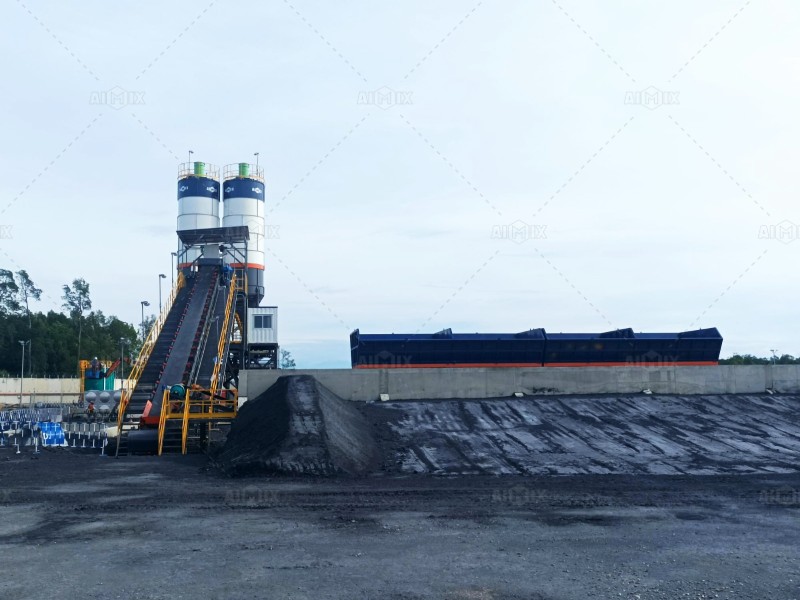
When purchasing a concrete batch plant for sale, technical specifications alone are not enough. Proper transportation planning and well-executed foundation construction are essential for ensuring long-term stability, efficient production, and safety. By working with experienced concrete batching plants manufacturers, preparing the site ahead of delivery, and following engineered foundation designs, buyers can significantly improve installation efficiency and operational reliability—maximizing the return on their investment.


